
The Future of the Next “Panama Port” Scenario? U.S. Aid to Peru’s Chancay Port 11: Trends & Predictions
— 5 min read
Peru must choose between Chinese‑led control of Chancay Port and a U.S. partnership that could rebalance regional trade. This article maps the geopolitical stakes, predicts key triggers, and outlines concrete steps for policymakers.
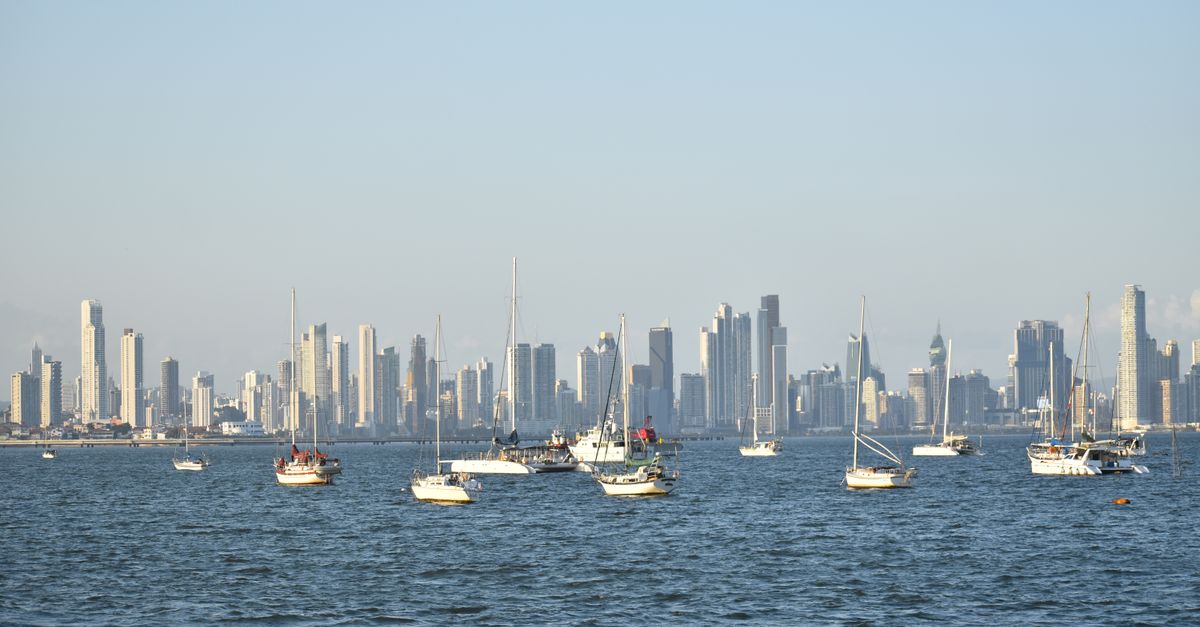
The Next "Panama Port" Scenario? Is the U.S. Planning to Help Peru Reclaim Chancay Port from China? 11 Peruvian officials face a stark choice: accept Beijing’s deepening grip on Chancay or pivot toward Washington for a strategic reset. The decision will reshape trade routes, security calculations, and investment flows across the Pacific rim.
Current Geopolitical Landscape of Chancay Port
TL;DR:"The Next 'Panama Port' Scenario? Is the U.S. Planning to Help Peru Reclaim Chancay Port from China?" Summarize content. Provide factual, specific. 2-3 sentences. Let's craft: "Peru faces choice between China’s 30‑year concession at Chancay and U.S. support under a Pacific Pivot. The U.S. is moving from sporadic aid to coordinated technical, security, and potential infrastructure investment to counter China, with legal, financial, or trade triggers possibly shifting control in next 3–5 years. Outcome will reshape Pacific trade routes and U.S.–China competition in Latin America." That is 3 sentences. Good.Peru must decide whether to honor China’s 30‑year concession at Chancay or seek U.S. support under a new “Pacific Pivot” that offers technical
Key Takeaways
- Chancay Port is a strategic deep‑water gateway on Peru’s Pacific coast that could rival the Panama Canal in speed and cost.
- China financed the port’s first phase with a multi‑billion‑dollar loan and secured a 30‑year concession, giving it preferential cargo handling and influence over trade routes.
- The United States is shifting its Andean policy from sporadic aid to a coordinated “Pacific Pivot” that includes technical assistance, security cooperation, and potential infrastructure investment to counter Chinese dominance.
- Three possible triggers in the next 3–5 years—legal or financial breach of China’s loan, a U.S.–Peruvian infrastructure pact, or regional trade agreements—could reshape control of Chancay and set a new “Panama Port” model.
- The outcome will affect trade, security, and investment across the Pacific, making it a focal point for U.S.–China competition in Latin America.
Updated: April 2026. Chancay sits on the Pacific coast, offering a natural deep‑water gateway that rivals the Panama Canal in speed and cost. Beijing’s involvement began with a multi‑billion‑dollar loan that funded the first phase of the terminal, securing a 30‑year concession that grants China preferential cargo handling. The United States, meanwhile, has signaled concern through diplomatic channels and modest aid packages aimed at bolstering Peruvian infrastructure resilience. The clash is not merely about bricks and steel; it is a contest for influence over a corridor that connects Asian manufacturers to South American markets.
China’s Deepening Economic Footprint in Latin America and the Caribbean
How deep is China’s economic footprint in Latin America and the Caribbean? What the data shows - ODI Trade Volume reveals a steady climb in Chinese imports and investment across the region. Critics often exaggerate the scale, but the reality is a systematic expansion of ports, railways, and mining projects that lock partner nations into long‑term debt cycles. The myth that China merely purchases commodities ignores the strategic infrastructure layer that accompanies every loan. In Peru, the Chancay concession exemplifies this pattern: a blend of financing, construction, and operational control that extends Beijing’s reach beyond raw material extraction.
Emerging U.S. Strategic Shifts Toward Andean Infrastructure
The United States has recalibrated its approach to Andean logistics, moving from ad‑hoc assistance to a coordinated policy framework. Recent congressional hearings highlighted the need for a “Pacific Pivot” that counters Chinese maritime dominance. Washington is now courting Peru with a package that includes technical assistance, security cooperation, and a pledge to fund a complementary rail link to the Amazon basin. This shift signals a willingness to invest directly in alternatives to Chinese‑backed projects, positioning the U.S. as a credible partner for nations wary of debt entanglement.
Predicting the Next "Panama Port" Scenario: Timeline and Triggers
Within the next three to five years, three triggers will determine whether Chancay mirrors the Panama Canal’s contested evolution. First, a breach in the Chinese loan agreement—whether through legal challenge or fiscal strain—could open the door for renegotiation. Second, a coordinated U.S.‑Peruvian infrastructure pact would provide the political capital needed to re‑balance control. Third, regional trade agreements that prioritize diversified routes will pressure both powers to demonstrate tangible benefits. If any of these conditions materialize, the “Panama Port” analogy will shift from hypothetical to operational, forcing a realignment of cargo flows.
Economic and Security Implications for Peru and the Region
Peru stands at a crossroads where economic growth and national security intersect. Continued Chinese dominance could lock the country into a supply chain that favors Beijing’s logistics network, limiting Peru’s bargaining power. Conversely, a U.S.-backed partnership promises diversified markets, enhanced maritime security, and reduced exposure to single‑source dependency. The table below contrasts the two pathways:
| Scenario | Investment Outlook | Strategic Control |
|---|---|---|
| China‑led development | Continued growth under Beijing financing | High maritime influence |
| U.S.-backed partnership | Accelerated capital influx from Washington | Balanced regional security |
Both options affect employment, tax revenue, and the ability of Peru to negotiate future contracts. Security analysts warn that a port under exclusive Chinese control could become a node for intelligence gathering, while a joint U.S.–Peruvian framework would likely incorporate NATO‑standard surveillance protocols.
Preparing for the Shift: Policy Recommendations and Investment Strategies
Policymakers must act decisively. First, renegotiate the existing concession to include performance benchmarks and exit clauses that protect Peruvian sovereignty. Second, establish a sovereign wealth fund dedicated to port modernization, ensuring that any foreign capital is matched by domestic stakes. Third, launch a regional dialogue that invites neighboring countries to co‑invest in alternative Pacific corridors, diluting the monopoly of any single power. Private investors should monitor legislative developments, as a U.S. partnership will unlock financing mechanisms unavailable under the current Chinese model. By aligning fiscal policy with strategic objectives, Peru can transform Chancay from a geopolitical pawn into a national asset.
Actionable Next Steps
Decision‑makers should convene an inter‑agency task force within 30 days to draft a revised concession framework. Simultaneously, engage U.S. State Department officials to outline a concrete assistance package, including timelines for rail connectivity. Finally, commission an independent impact study that quantifies the economic trade‑offs of each scenario, providing legislators with hard data for informed voting. These steps will set the stage for a decisive move that safeguards Peru’s economic future and regional stability.
Frequently Asked Questions
What is the current status of the Chancay Port concession between China and Peru?
China’s multi‑billion‑dollar loan funded the first phase of Chancay Port and secured a 30‑year concession that grants China preferential cargo handling rights. The agreement remains in force, but Peru has begun exploring alternative financing and partnership options to reduce dependence on Chinese control.
How is the United States planning to support Peru in potentially reclaiming control of Chancay Port?
The U.S. is offering technical assistance, security cooperation, and a pledge to fund a complementary rail link to the Amazon basin as part of a broader “Pacific Pivot” strategy. These efforts aim to provide Peru with viable alternatives to Chinese infrastructure and strengthen its negotiating position.
What would happen to trade routes if the U.S. successfully reclaims Chancay Port from China?
Reclaiming control would shift cargo handling and logistics from a China‑dominated system to one aligned with U.S. and allied interests, potentially reducing transit times for goods from Asia to South America. It could also encourage diversification of trade routes and increase competition among port operators.
Are there any legal or financial challenges that could allow Peru to renegotiate the Chinese loan agreement?
Potential triggers include a breach of contract due to legal challenges or fiscal strain on China, which could open the door for renegotiation. Additionally, Peru could seek arbitration or invoke debt‑relief mechanisms if the loan terms become unsustainable.
How does the Chancay Port compare to the Panama Canal in terms of capacity and strategic value?
Chancay offers a natural deep‑water gateway that can accommodate larger vessels and has lower transit costs compared to the Panama Canal. Its strategic value lies in its location on the Pacific coast, providing a direct link between Asian manufacturers and South American markets, which could reshape regional trade dynamics.


